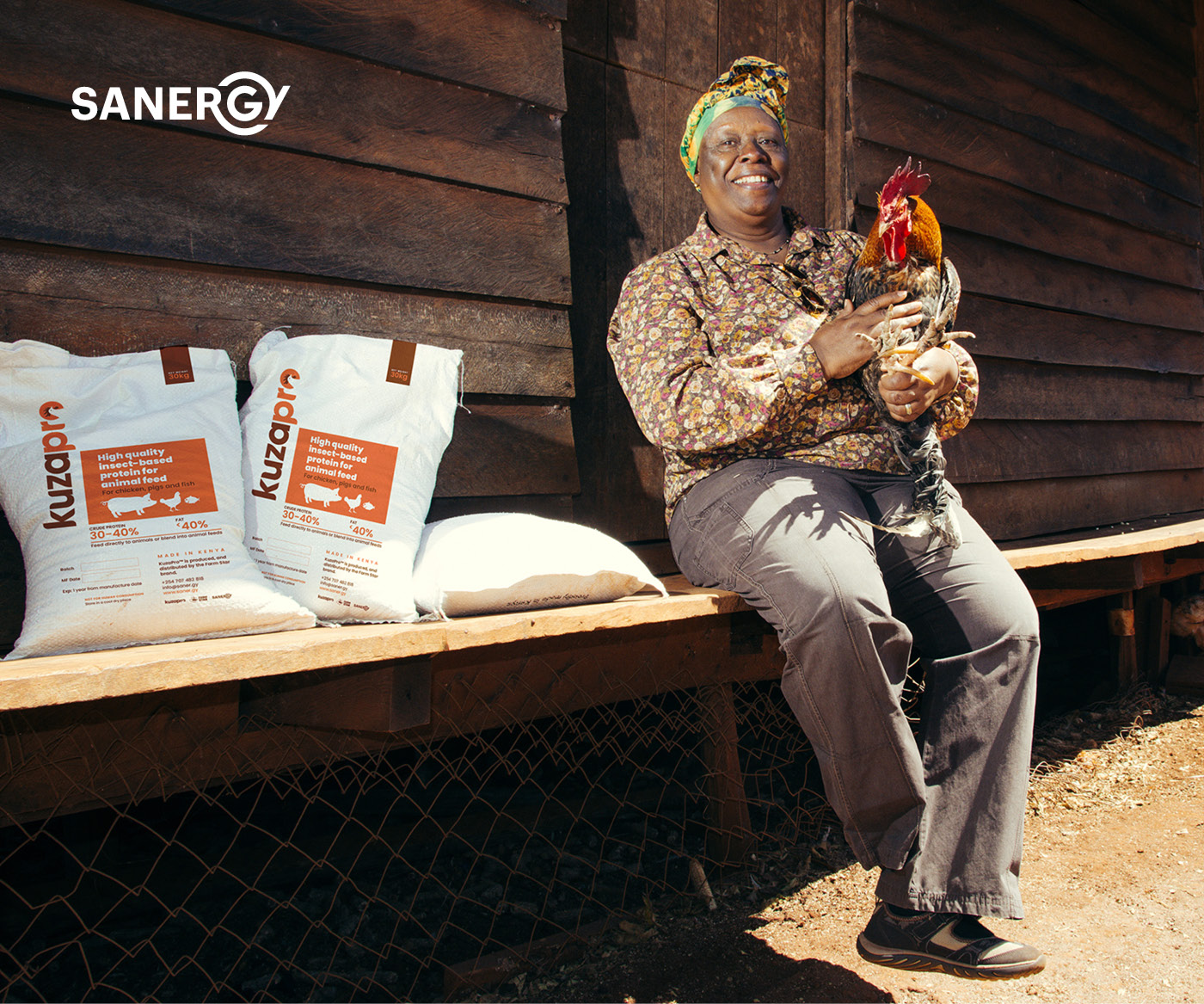
Black soldier fly prepupae fortified with selenium for feed
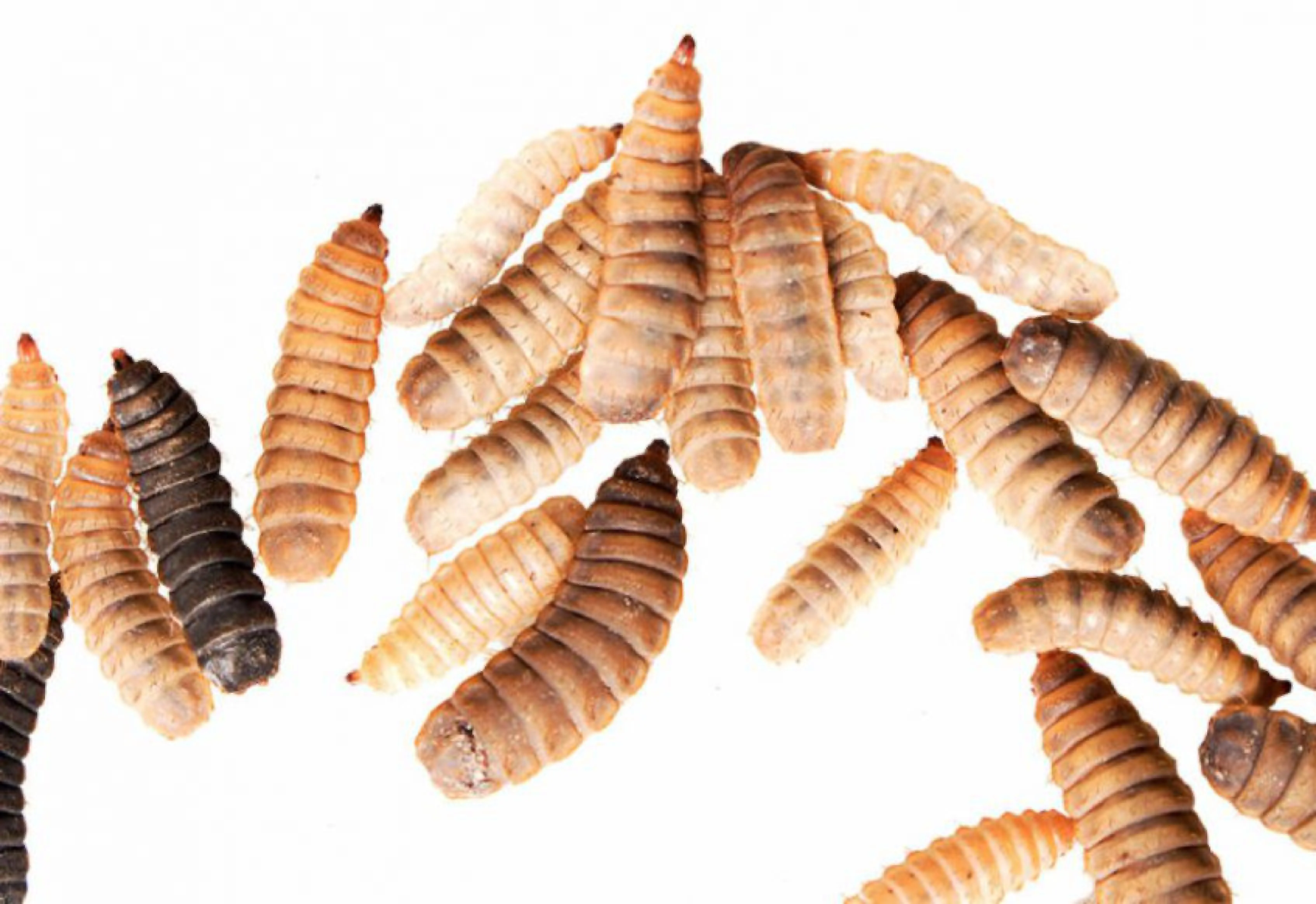
Black Solider Fly (BSF) Prepupae Can Be Enriched with Selenium
Researchers have shown that Black Soldier Fly (BSF) prepupae can absorb inorganic selenite. As a result, they become a valuable source of both inorganic and organic selenium in feed and food.
Scientists already know that insects naturally accumulate nutrients. In this study, the researchers focused on selenium biofortification. They aimed to understand whether insects can serve as a future selenium source for animal feed.
Insect Protein Gains Momentum in the EU
This research comes at an important time for the insect industry in Europe.
The European Union recently approved dried yellow mealworm (Tenebrio molitor) as safe for human consumption. This marked the first approval of an insect as food in the EU. Several other insect products are still under evaluation.
The EU has also expanded the use of insects in animal feed. Authorities approved BSF as feed for farmed fish in 2017. Since August 2021, producers can also use insect-derived proteins in pig and poultry feed.
Insect protein
Insects are regarded as an alternative with high potential because the production of insects demands limited amounts of water and land, and they can add value to low-value by-products.
Selenium in feed
Selenium is an essential element, both for animals and humans as it is involved in the functioning of several enzyme systems and is involved in various biochemical reactions, in particular the processes of protecting cells from damage.
>Past research has shown the possibility of biofortifying insects with different nutrients can be exploited to improve the nutritional characteristics of feed/food.
>The study method
In the study, led by Luciano Pinotti, Professor of Veterinary Medicines and Animal Sciences at the University of Milan, Italy, BSF larvae were reared in 3 different substrates:
• A control substrate (CTR diet) of plant ingredients (Gainesville diet)
• Ascophyllum nodosum diet (AN30%), with 30% substitution of alfalfa meal with brown algae
• A Selenium (Se) diet, where the CTR diet was fortified with 0.3mg. kg of Se.
Experimental Conditions and Feeding Protocol
Researchers conducted all experiments in dark conditions. They maintained a constant temperature of 25°C (77°F) and a relative humidity of 70% for two weeks.
They tested each treatment in three experimental units. Each unit consisted of a crate measuring 40 × 30 × 15 cm. The team placed 300 BSF larvae in each crate along with the assigned feeding media.
The researchers fed the larvae 190 mg of fresh material per larva every second day. They followed this feeding regime until the larvae reached the fourth instar.
At that point, the team removed any uneaten feed and replaced it with fresh material. They continued this process until the larvae reached the sixth instar.
Results
Selenium Content and Composition in BSF Prepupae
Researchers analyzed the final BSF prepupae for selenium (Se), metals, minerals, and Se species.
Prepupae from the Se dietary group showed over five times higher total Se content than those in the control (CTR) group. In contrast, the AN30% group showed lower Se levels.
Organic Selenium Dominates
The analysis revealed that selenometionine (SeMet) was the dominant Se species. This applied to both the CTR and AN30% groups.
In the Se dietary group, SeMet accounted for 54% of the total selenium content.
Conversion of Inorganic to Organic Selenium
The Se group showed higher SeMet levels than the CTR group. This result indicates that BSF prepupae can convert inorganic selenium into organic forms.
In addition, insect meal fortified with selenite reached Se levels comparable to—or higher than—those in processed plant meals.
Substrate Influences Nutrient Composition
The study also showed that the substrate plays a key role in nutrient composition.
Different substrates affected:
- Total selenium content
- Selenium species distribution
- Levels of other elements in BSF prepupae
The study has been published online in the Journal of Insects as Food and Feed
Are you interested in more articles about Black Soldier Fly farming?
Visit knowledge base